Feminist Anthropology
Exploring gendered inequalities, agency, and resistance across everyday life, institutions, and systems of power.
Feminist Scholar · Bangladesh
Professor of Anthropology, Jahangirnagar University · PhD, Auckland University of Technology, New Zealand.
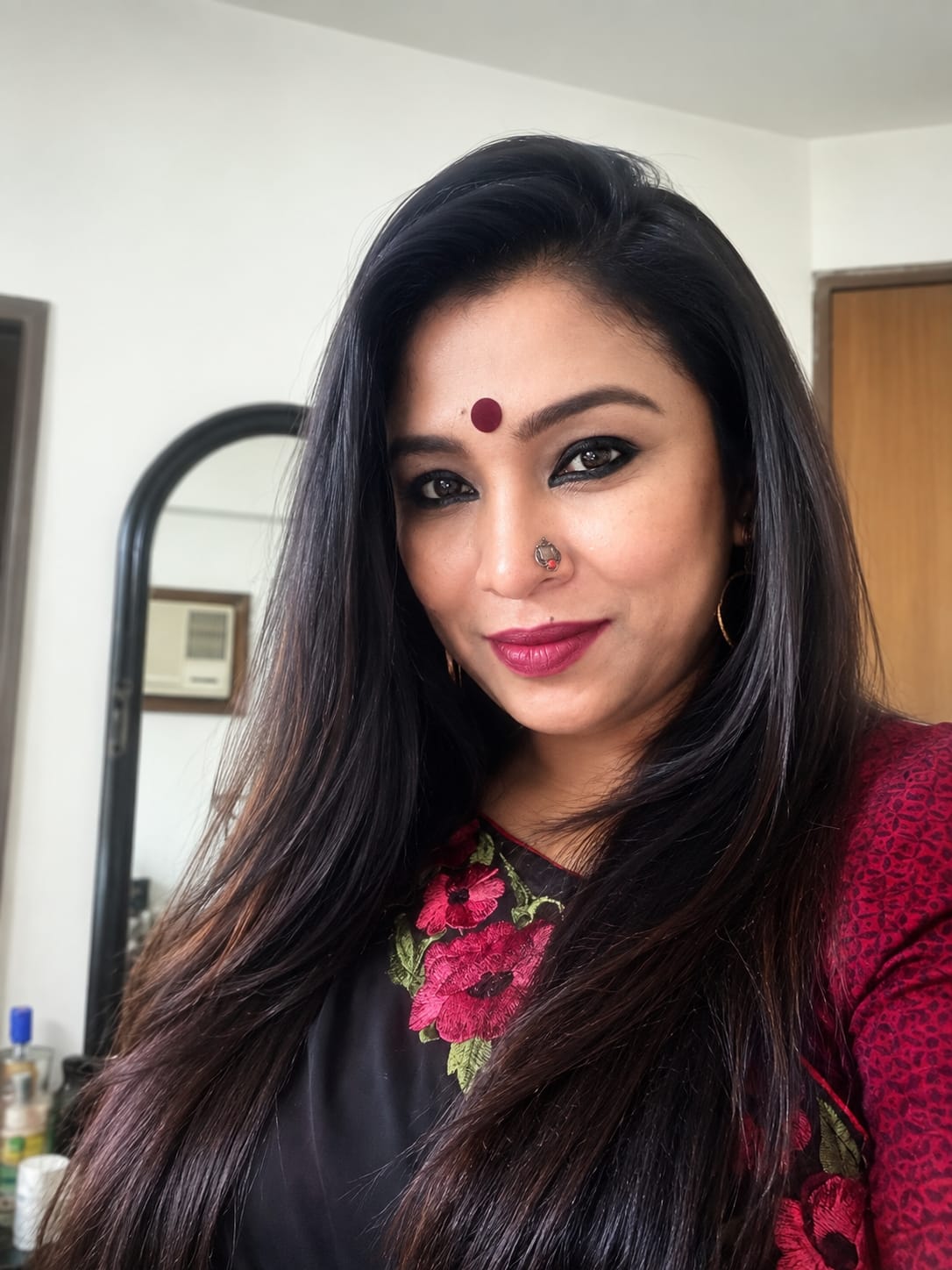
Ethnographic explorations at the threshold of gender, body, and sexuality.
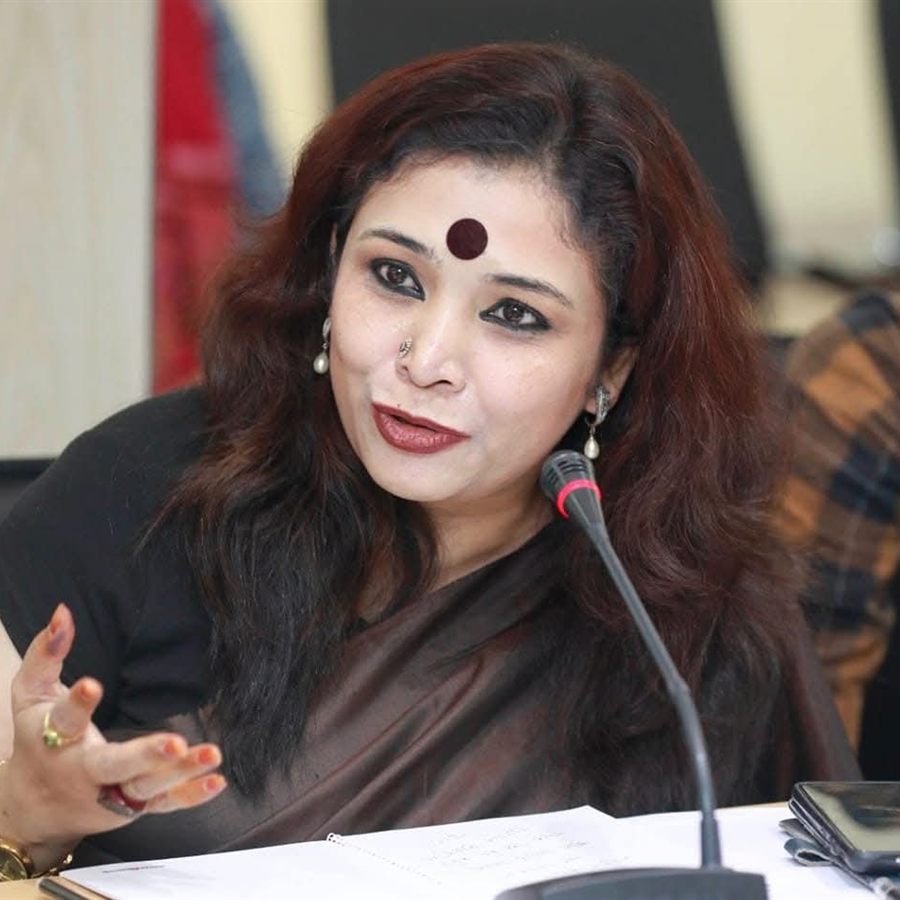
Dr. Rezwana Karim Snigdha is a feminist scholar, gender expert, and public intellectual whose work contributes to critical conversations on gender, sexuality, embodiment, and social justice in Bangladesh and beyond.
With over fifteen years of experience in teaching, ethnographic research, training, and advocacy, she is currently a Professor of Anthropology at Jahangirnagar University. She earned her PhD in Social Sciences from Auckland University of Technology (AUT), New Zealand, in 2021. Her doctoral research, Beyond Binaries: An Ethnographic Study of Hijra in Dhaka, Bangladesh, offers a nuanced and ethnographically grounded exploration of gender diversity, identity, and belonging in South Asia.
While widely recognized for her pioneering work on gender and sexuality, her scholarship extends across gender justice, body politics, reproductive health, medical anthropology, sociology of health, climate vulnerability, and the everyday experiences of marginalized populations.
Dr. Snigdha is actively engaged with several national and international academic, research, and policy networks, including the Sex Tech Lab at The New School, New York; the World Anthropology Union (WAU); the International Union of Anthropological and Ethnological Sciences (IUAES); the Canada–Bangladesh Social Justice & Research Alliance; the Duke of Edinburgh’s Award Foundation; and the Kapaeeng Foundation. She also serves on the Trustee Board of the National Child Welfare Trust and the Research Committee of the National Youth Development Institute, reflecting her commitment to connecting scholarship with public service and social transformation.
Her academic engagement also includes serving as an international reviewer for leading journals, including the Journal of the Royal Anthropological Institute (JRAI), Asian Women, the Journal of Homosexuality, and Contemporary South Asia.
Beyond academia, Dr. Snigdha is a prominent public voice on gender, democracy, culture, and social change. As a frequent television commentator, keynote speaker, and public intellectual, she brings anthropological perspectives to wider audiences, connecting rigorous scholarship with public debate, policy engagement, and advocacy for a more inclusive and equitable society.
A decade and a half of fieldwork across the entanglements of gender, health, media, and the body in Bangladesh and beyond.
Exploring gendered inequalities, agency, and resistance across everyday life, institutions, and systems of power.
Ethnographic explorations of gender diversity, embodied agency, social recognition, and the politics of citizenship and belonging.
Ethnographic explorations of bodies, sexuality, and identity, with attention to agency, power, intimacy, and social norms.
Exploring how health, healing, and well-being are shaped by culture, power, inequality, and the politics of care.
Exploring the intersections of climate change, gendered vulnerability, and social justice through feminist and ethnographic perspectives on adaptation, resilience, and lived experience.
Examining the production, circulation, and contestation of truth, knowledge, and public narratives in contemporary media landscapes.
Exploring city life, class, aspiration, and the making of middle-class selves in rapidly transforming urban landscapes.
Examining sexual and reproductive health through the lenses of medical anthropology, health sociology, and gender justice.
With over fifteen years of teaching experience at Jahangirnagar University, complemented by part-time teaching at North South University and academic experience in New Zealand, Dr. Snigdha has taught and mentored students across anthropology, gender and sexuality studies, health, politics, and social change. She also supervises MSS and MPhil research, with a particular focus on gender, sexuality, medical anthropology, and marginalized communities.
Department of Anthropology
Department of Anthropology
Department of Anthropology
Department of Anthropology
Department of Anthropology
Department of Anthropology
Department of Anthropology
Department of Anthropology
Department of Anthropology
School of Language, Social and Political Sciences
Department of Management
Department of Culture and Society
Department of English
Department of English
Department of English
Department of Bangla
Books, chapters, and peer-reviewed articles. Filter by type.
Snigdha, R. K. · Dhaka: Oitijhya · 320+ Google Scholar citations
In A. Hussain (Ed.), Contemporary Issues in Social Science (pp. 93–107) · Jahangirnagar University
In P. Mandal et al. (Eds.), My City, My Home (pp. 195–198) · Sampad South Asian Arts & Heritage
Snigdha, R. K., & Zohra, F. T. · The Jahangirnagar University Review: Part II: Social Science, 49(1). Faculty of Social Sciences, Jahangirnagar University.
Snigdha, R. K. · Jahangirnagar University Review, 47(1)
Snigdha, R. K. · Jahangirnagar University Review, 47(2)
Snigdha, R. K. · Jahangirnagar University Review, 46(1)
Snigdha, R. K. · Global Journal of Human-Social Science Research, 19(5), 29–36. doi:10.34257/GJHSSCVOL19IS5PG29
Snigdha, R. K. · বাংলা একাডেমি পত্রিকা, 58(3–4), 108–118 · in Bengali
Snigdha, R. K., & Akhtar, S. · সমাজবিজ্ঞান সমীক্ষা, 2, 43–50 · in Bengali
Snigdha, R. K. · বাংলাদেশ ফিল্ম আর্কাইভ জার্নাল, 8, 100–106 · in Bengali
Snigdha, R. K. · ইতিহাস একাডেমি ঢাকা, 161–166. ISSN: 1995-1000 · in Bengali
Snigdha, R. K. (2014). Social Science Review: Journal of Social Science Faculty, Jahangirnagar University, Dhaka, Vol. 1, 103–111
Snigdha, R. K. নৃবিজ্ঞান পত্রিকা, 18, 97–109. নৃবিজ্ঞান বিভাগ, জাহাঙ্গীরনগর বিশ্ববিদ্যালয়. ISSN: 1680-0621
Snigdha, R. K. নৃবিজ্ঞান পত্রিকা, 17, 61–75. ISSN: 1680-0621. Jahangirnagar University.
Snigdha, R. K. নৃবিজ্ঞান পত্রিকা, 15, 11–24. ISSN: 1680-0621
Snigdha, R. K. World Anthropological Union (WAU) Congress 2025, Antigua, Guatemala.
Snigdha, R. K. (Sub-Project Manager, Competitively Selected), UGC–World Bank HEAT Project
Snigdha, R. K. World Anthropological Union (WAU) Congress 2024, Johannesburg, South Africa.
Snigdha, R. K. 19th IUAES-WAU World Anthropology Congress 2023, Delhi, India.
Snigdha, R. K. ASAA Conference 2022 — Social Justice in Pandemic Times, Monash University, Australia.
Snigdha, R. K. New Zealand South Asian Center (NZAC), University of Canterbury, New Zealand.
Snigdha, R. K. Gender and Diversity Research Seminar, Auckland University of Technology, New Zealand.
Snigdha, R. K. Shahjalal University of Science and Technology, Sylhet.
Snigdha, R. K. AUT Doctoral Conference, School of Public Health and Psychosocial Studies, Auckland, New Zealand.
Snigdha, R. K. 10th International Conference on History and Culture, Bangladesh History Academy, Dhaka.
Snigdha, R. K. Anthropology: Critical Juncture between Theory and Practice, Comilla University / HEQP, Comilla, Bangladesh.
Snigdha, R. K. (2021). Beyond binaries: An ethnographic study of hijra in Dhaka, Bangladesh. PhD Diss., Auckland University of Technology.
Recent invited lectures, keynotes, and conference presentations across three continents.
Memorial Lecture delivered on the occasion of the 115th Birth Anniversary of Poet Sufia Kamal
On 22 August 2026, Professor Dr. Rezwana Karim Snigdha of Jahangirnagar University spoke at a roundtable discussion titled “Where Is Bangladesh’s Political Culture Heading After the Mass Uprising?”, organized by the Alliance for Multidisciplinary Research and Analysis (AMRA) at the BIISS Auditorium in Dhaka.
Keynote Speaker, National Symposium, ActionAid Bangladesh (GRIP Project)
Invited Virtual Lecture, International Programs
Invited Talk on Body Politics, Sexuality, and Women’s Rights
Keynote Address on Sexual Violence, Rape, and Power
Invited Lecture on Gender Diversity and State Governance
Invited Academic Lecture on Gender Performativity
Invited Lecture on Clothing, Identity, and Gender Performativity
Lecture on Judith Butler’s Theories of Body and Gender
2021 Virtual AUT 3MT Competition Doctoral Finals – Rezwana Karim Snigdha
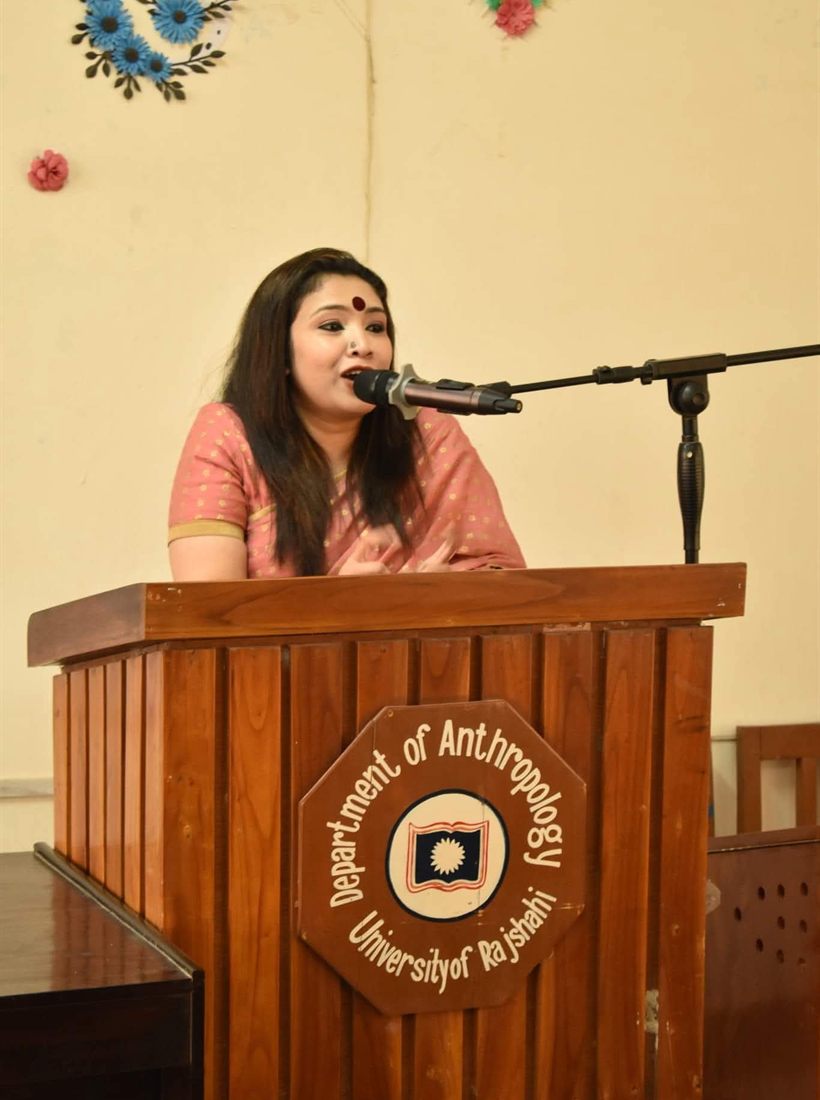
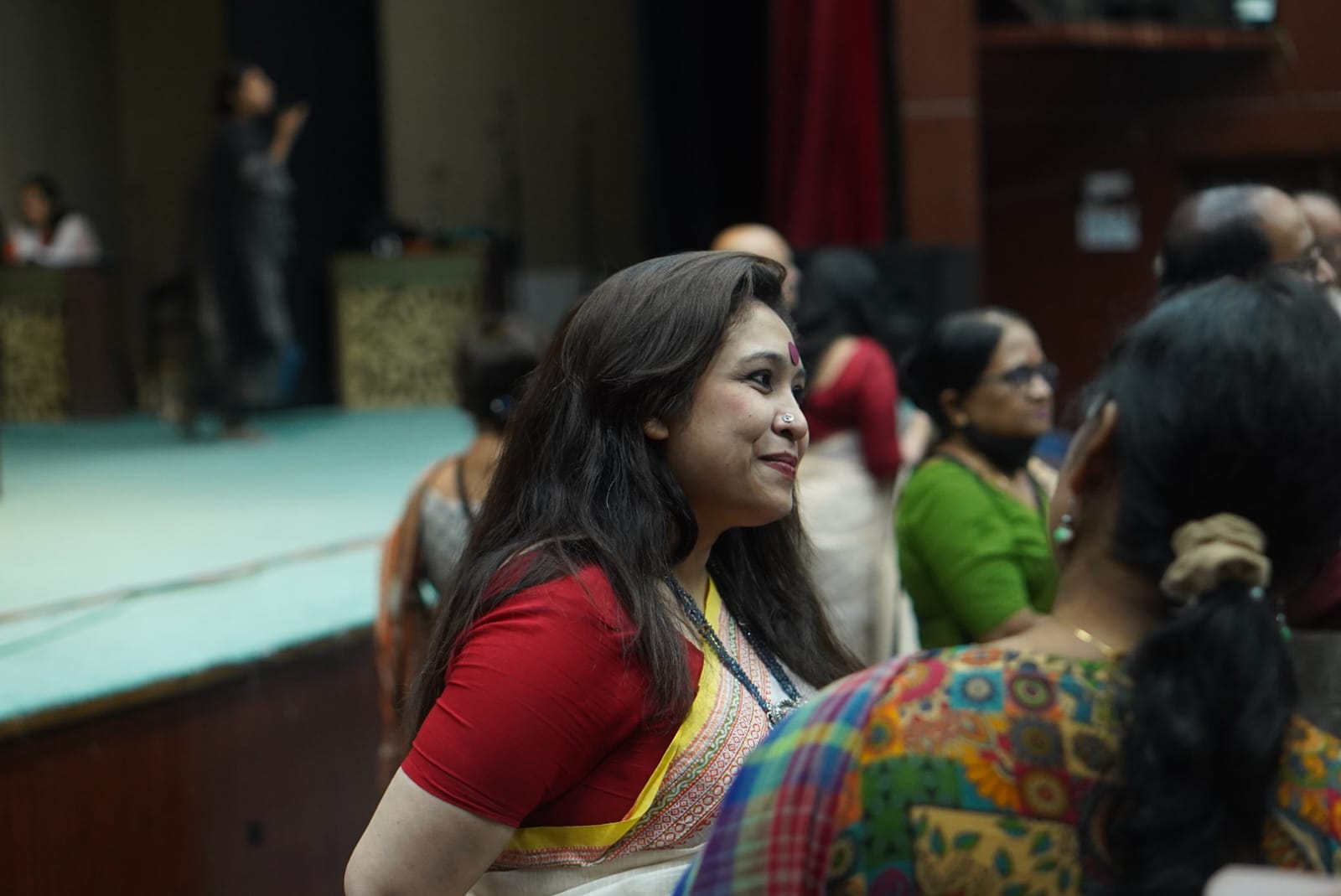
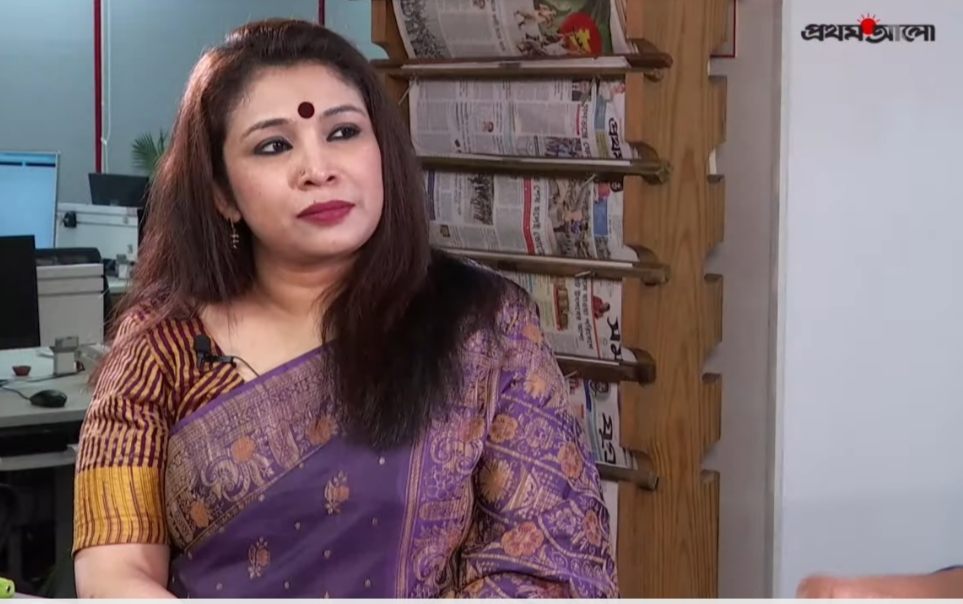
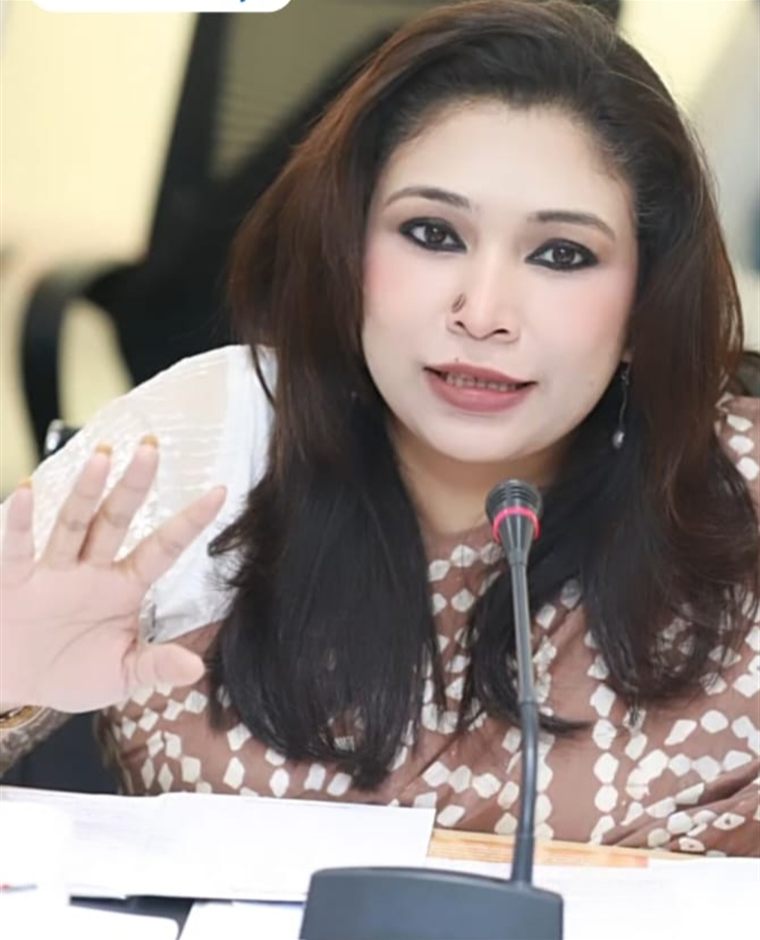
Interviews, features, keynotes, and broadcast commentary translating ethnographic research into public debate.
An ethnographic study exploring the sexual and reproductive health experiences of women in the salinity-stressed coastal belt of Bangladesh, focusing on how climate vulnerability, social norms, structural barriers, and local coping mechanisms shape their health, agency, and reproductive choices.
Sub-Project ManagerAn interdisciplinary research project examining body politics, protest, and performativity during the July 2024 Movement in Dhaka, exploring how activists, artists, and gender-diverse participants used embodied practices, visual expression, and public space as forms of resistance and political expression.
Project DirectorAn academic research project examining the sociocultural construction, normalization, and silencing of marital rape in urban Bangladesh, with a focus on how patriarchal norms, sexuality, consent, cultural taboos, and legal frameworks shape women’s experiences within marriage.
Lead ResearcherAn applied research project examining the role of youth groups in supporting peers at risk of early marriage across four districts in Bangladesh, with a focus on the structural, social, and behavioral drivers of early marriage; intervention gaps; and the potential of youth-led approaches to strengthen prevention, policy advocacy, and program design.
Qualitative Research LeadA mid-term evaluation of the Women’s Voice and Leadership Programme assessing progress against its Theory of Change, with a focus on the experiences of women-led organizations, youth leaders, and implementing partners, and the structural factors shaping programme outcomes and women’s leadership.
Lead Evaluator (Qualitative Lead)An evaluation of the Joint Action for Nutrition Outcome (JANO) Project assessing the effectiveness of multi-sectoral nutrition governance and behaviour change interventions in Rangpur and Nilphamari, with a focus on implementation challenges, sustainability risks, and opportunities for strengthening and scaling integrated social and behaviour change communication (SBCC) and nutrition governance models.
Qualitative Research & Evaluation ConsultantAn academic research project exploring how the Rakhine community in the coastal areas of Bangladesh uses traditional ecological knowledge to cope with climate-induced disasters, with a focus on culturally grounded resilience strategies, community-based adaptation practices, and the integration of indigenous knowledge into inclusive climate resilience policies and practices.
Project DirectorAn academic research project examining how toxic masculinity is constructed and reproduced through media, political rhetoric, institutional language, and public discourse in Bangladesh, with a focus on the gendered norms, power relations, and dominant narratives that shape masculinities and their implications for gender-transformative education and advocacy.
Project DirectorAn ethnographic research project examining the social construction of masculinities across class and generational lines in Dhaka, with a focus on how men from diverse socioeconomic backgrounds negotiate gendered expectations, vulnerability, identity, and power in everyday life.
Project DirectorAn ethnographic research project examining Charok worship as a ritual practice embedded in Bangladesh’s syncretic religious and cultural traditions, with a focus on ritual performances, embodied practices, symbolic acts, and community participation, and their intersections with devotion, collective identity, memory, and resilience.
Project DirectorAn anthropological research project examining how crime is socially constructed, understood, narrated, and managed across different cultural contexts in Bangladesh, with a focus on moral negotiations surrounding crime, punishment, and justice, as well as alternative justice systems, informal mediation, and community-based accountability mechanisms.
Project DirectorAn academic research project examining how dominant beauty ideals are socially and culturally constructed, internalized, negotiated, and resisted by women in urban Bangladesh, with a focus on how media, advertising, and social discourses shape body politics, self-perception, practices of body discipline, and everyday forms of resistance.
Project DirectorAn anthropological research project examining the cultural practices, symbolic meanings, and political dimensions of death in Bangladeshi society, with a focus on how mourning, funerary practices, memorialization, and end-of-life care intersect with power, memory, community relations, and spiritual continuity.
Project DirectorAn academic research project exploring the survival strategies, substance use, and socioeconomic realities of street-involved children working in Dhaka’s waste management sector, with a focus on how coping mechanisms, family separation, social vulnerability, and informal labour networks shape their everyday lives and access to protection, education, and support services.
Project DirectorBeyond research and teaching — a record of national and international recognition, scholarly gatekeeping, and institutional leadership.
Drawing on extensive academic and professional expertise, Dr. Snigdha leads training and capacity-building programmes for government officials, development practitioners, academics, students, youth, and civil society actors, with a focus on gender equality, human rights, social inclusion, and rights-based policy and practice.
Regional Public Administration Training Centre (RPATC)
Led training as a gender expert and trainer for government officials and development practitioners, focusing on human rights frameworks, national legal instruments, gender-based violence, child protection, referral mechanisms, and rights-based governance.
Bangladesh Public Administration Training Centre (BPATC)
Delivered specialized training as a gender expert and trainer for mid- to senior-level government officers, policy planners, and administrators, focusing on the interconnections among SDGs 1, 3, 4, and 5; gender-responsive budgeting; inclusive policy planning; equity in service delivery; and climate resilience.
Pragroshor
Facilitated the workshop as a gender expert and trainer for university students, faculty members, and gender activists, covering feminist theoretical waves, intersectionality, digital activism, and feminist movements in Bangladesh.
Pragroshor
Conducted training as a gender expert and trainer for schoolchildren, adolescents, youth, feminists, and gender-rights actors, focusing on youth empowerment, gender equality, rights awareness, and meaningful youth engagement.
Development Research Initiative (dRi)
Delivered training as a gender expert and trainer for development professionals and NGO practitioners, focusing on gender equality, intersectional analysis, rights-based approaches, and the integration of feminist perspectives into program design and policy advocacy.
For collaborations, supervision, talks, or media on gender, anthropology, and Bangladesh.
rezwana@juniv.edu